From the project
Process & outcome
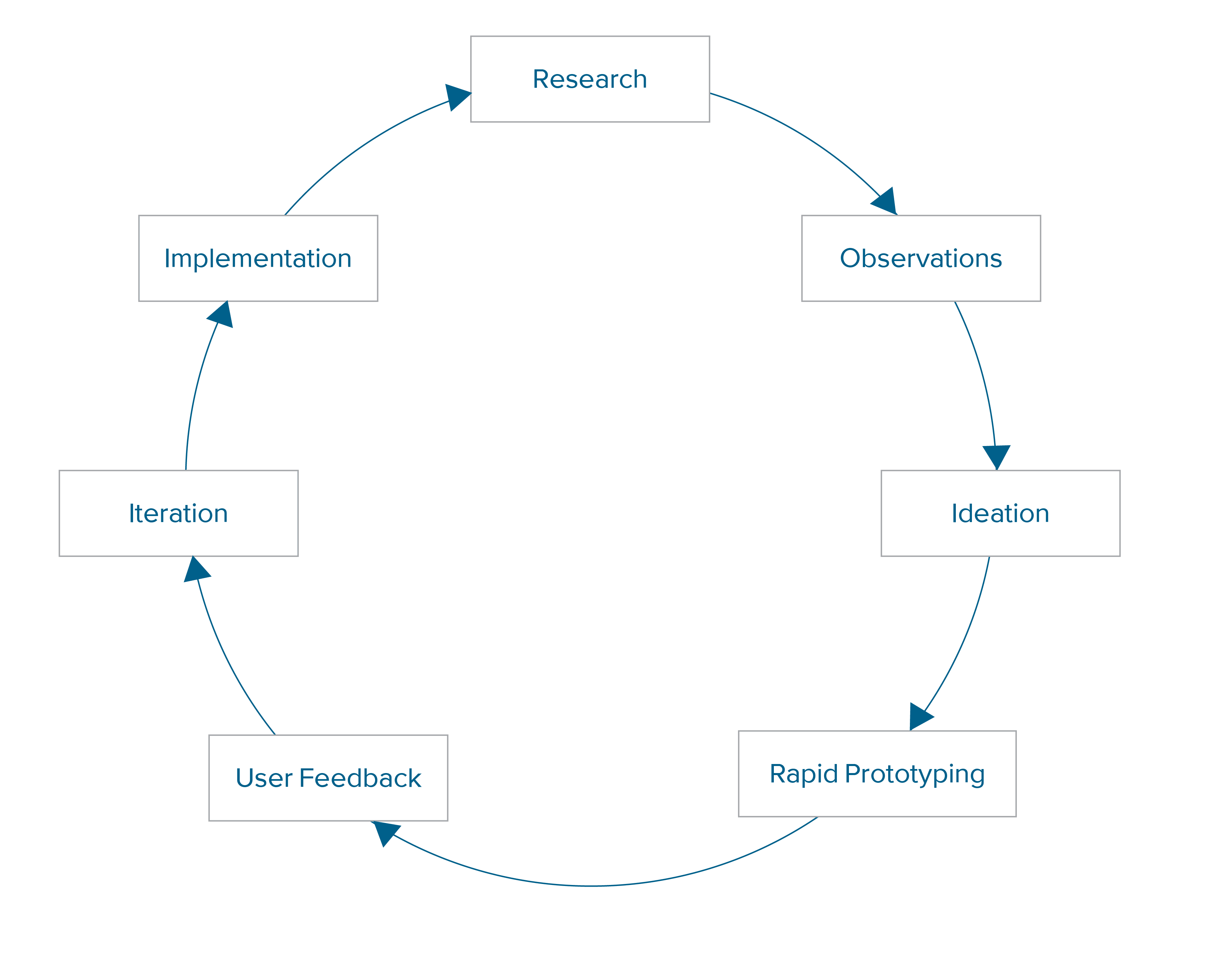
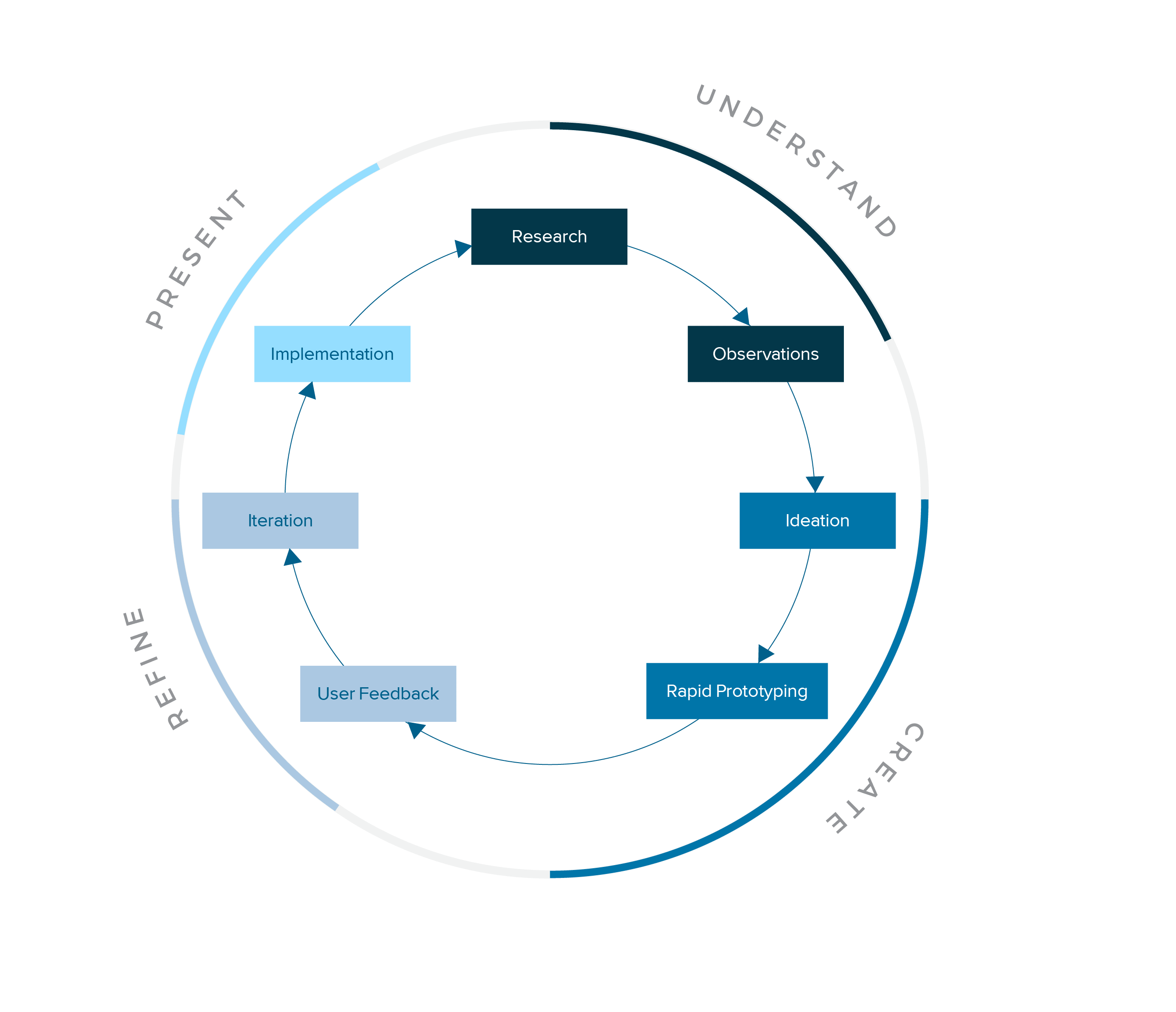
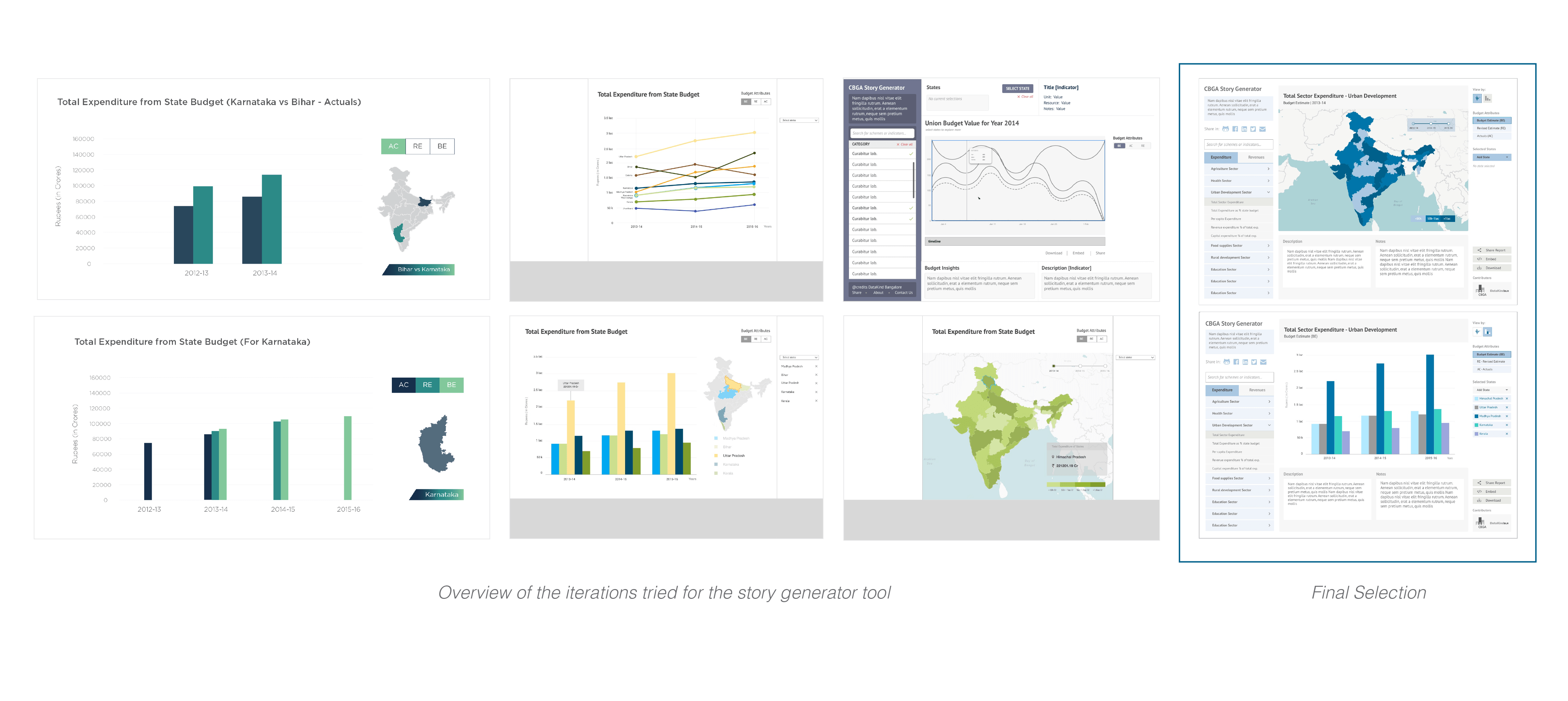
As the sole designer-researcher on a civic-tech open-data initiative, I studied how analysts and citizens actually read budgets, then designed a portal and story-generator that launched and drew national press.
Public budget data in India was fragmented, non-machine-readable, and inaccessible — so citizens, journalists, and analysts couldn't answer a basic question: how does the government use our money?
How do budget researchers, journalists, and citizens try to make sense of budget data, and what would let them build insight on their own?
Shipped a public Open Budgets data portal + a story-generator tool, covered by Times of India, Scroll.in, Business Standard, Firstpost and others.
Access to budget data collapses as you move from national to local government, and documents arrive in formats no one can compute on. That gap shuts ordinary people out of the budget conversation entirely.
As the only designer in the organization, I played researcher, designer, and strategist — and used the project's open nature to collaborate with external design communities.
The users were experts with real workflows, so I started by understanding how they already read budgets and where existing tools failed them. Rapid prototypes tested against real tasks kept the design honest, and I codified a repeatable visual-thinking process so the work could scale beyond me.
Constraints I balanced: Government data rules and the first-of-its-kind handling of non-public budget data shaped what was possible; I designed within those legal constraints from the start.
What I'd change: I'd run more structured usability sessions with non-expert citizens, not just analysts — the 'common man' audience deserved equal research time.
What I'd keep: Codifying a repeatable process. As a solo designer, building a framework (not just screens) is what let the work outlive my tenure.
What I learned: For civic data, comprehension is the product — design clarity does more for participation than additional features.